Breadcrumb

Navigation Menu

Poliisi (tietoa rikoksista alasivun hero)

Police and youths

The task of police is to guarantee the safety of people and the environment at all times and in all situations. Police prevents and investigates crimes and sends them for prosecution.

If you have been a victim of a crime police is an important authority in handling the situation. The task of police primarily to find out what has happened but police will also help in handling the police report process. Furthermore, a task of police is to guide the customer to receive mental support. Mental support can also be received directly from different organizations.
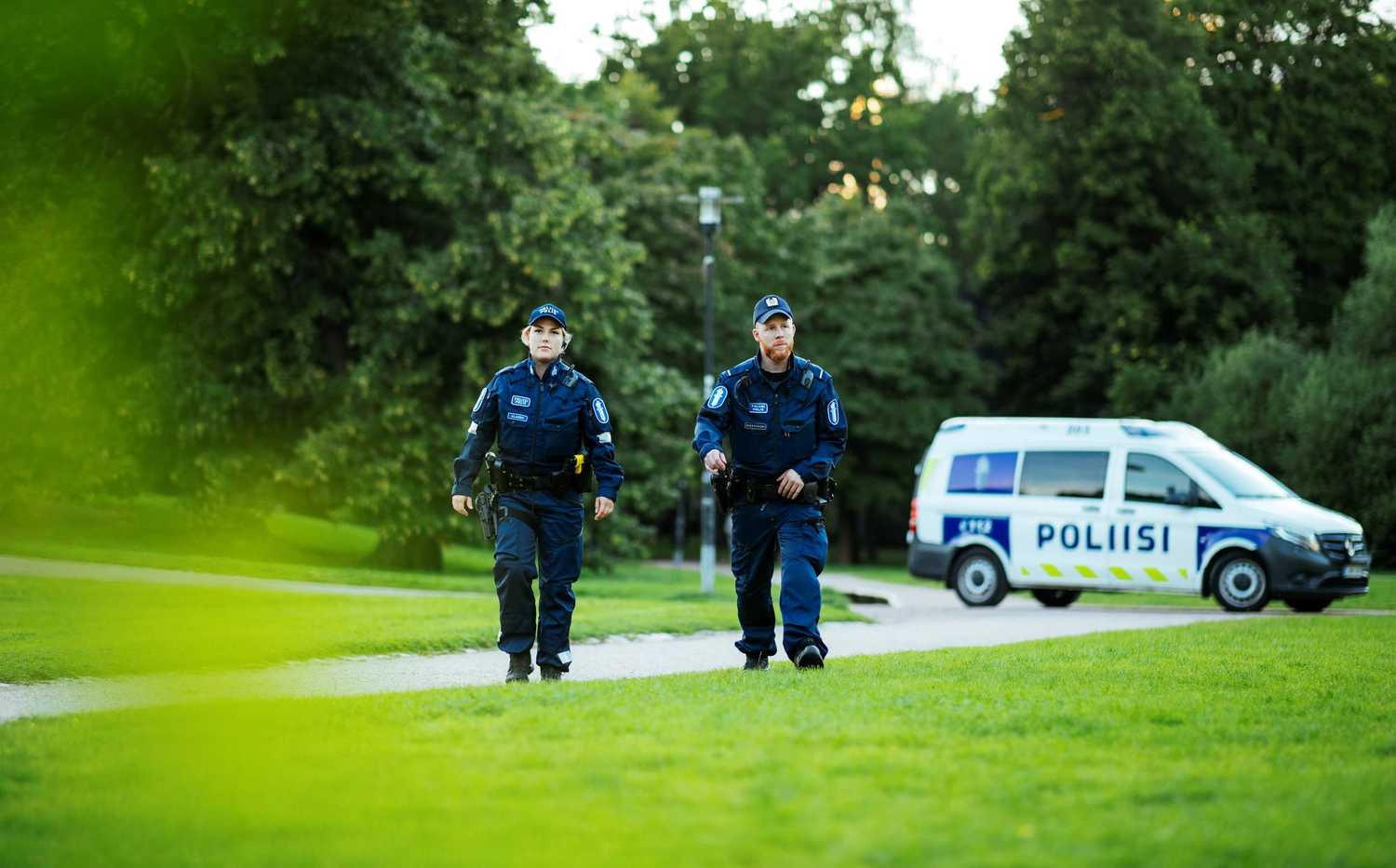

Two police officers in uniform walking in a park at summer. A police car in the backround.

En halua olla vasikka (poliisi sivu) ENG

I do not want to be a snitch

Nobody wants to and it is easier to stay silent. Still, if the victim or perpetrator of a crime gets help in time it can save their whole life. 

Statistically a small amount of young people commits crimes and the same group, possibly surprisingly, also becomes the victims of crimes. Bad things pile up and therefore it is important to be able to intervene in time. Crimes committed by young people are often a symptom of something and the perpetrators often also need help themselves. 

Koulu25 somet (otsikko-poliisi sivu) ENG

School25-group in social media

Itä-Suomen poliisilaitos virkatili Kalejaiye

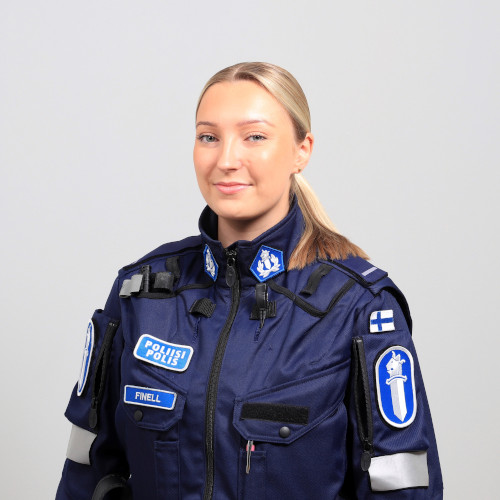
Lounais-Suomen poliisilaitos somessa virkatili Jonna Finell

Lounais-Suomen poliisilaitos somessa virkatili Ella Varis en

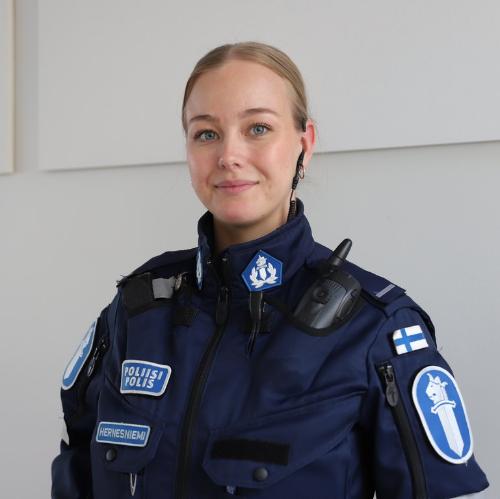
Lounais-Suomen poliisilaitos somessa virkatili Minttu Hernesniemi

Testaa tietosi: Poliisin duuni ENG

Test your knowledge: Job of police

Police has the right to verify your identity.

TRUE

You have to show your ID or identify yourself to police when asked if it is part of official duties of police. Everyone regardless of their nationality have a duty to identify themselves to the authorities. 

You have to answer all the questions asked by police during a questioning

FALSE

According to law the suspect is not required to tell police anything apart from their identification details. Person suspected of a crime is not required to tell the truth because they do not have the obligation to help solve a crime where they are a suspect. However, lying is not necessarily beneficial because police have other ways to get evidence. 

Unlike the suspect a witness has the obligation to tell what they know and be truthful. Victim of crime does not have to answer questions but if they do, they have to tell the truth.

Police are allowed to search your phone without reason.

FALSE

In general, the contents of a phone can only be searched if there is a reason to suspect a crime of which the maximum punishment is at least six months imprisonment.

Police can order you to unlock your phone.

TRUE AND FALSE

Police in Finland have the right to open a suspect's phone with their fingerprints without their approval but not to demand their password or PIN-code.

Police can trace your phone if you are suspected of any kind of crime

FALSE

Police have the right to teletraffic data monitoring in specific serious crimes or if it is necessary to prevent a danger to life and health.  

Police have to show their identification badge if asked.

TRUE

Police have to state that they are police and show their identification badge if needed or asked if it is possible without endangering the situation at hand. Not everyone should be viewed as police. The most visible external identifiers of police are uniform with police insignia, identification badge and a police car equipped with police insignia.

Police can search a bag without a reason.

FALSE

Police can search a bag only if there is a legal reason for it. This mean that you have to be suspected of a crime, there is a suspicion that you are carrying illegal material such as alcohol as a minor or police has apprehended you for some reason.

Police can pour alcohol that is in a possession of a minor to the ground.

TRUE

Police have the right to confiscate alcohol that is in the possession of a minor. Police have the right to search the belongings and clothes on the surface level of a younger that 18-year-old if there are likely reasons to believe that they have alcohol in their possession. The search cannot violate personal integrity.

Police can pour away strong alcoholic beverages in possession of an 18-year-old.

TRUE

If police find strong alcohol in the possession of an 18 to 20-year-old police can take it away and destroy it. The possession of alcohol while breaking the age limit can lead to 20 euro fixed fine when previously punishment has been day-fines.

You must open a door for police.

TRUE

Police have the right to get access to an apartment if assignment requires it. Such situations are for example search of a person or item. If one decides not to open a door police will contact a caretaker to open it with a master key. If the door cannot be opened with a master key police have the right to open a door to a room or an apartment using force if it is necessary and the law allows it. 

Polamk somessa Pelipoliisi galleriakappale en

PELIPOLIISI lista sometileistä oikea palsta en