
Police to effectively enforce compliance with new firearms regulations
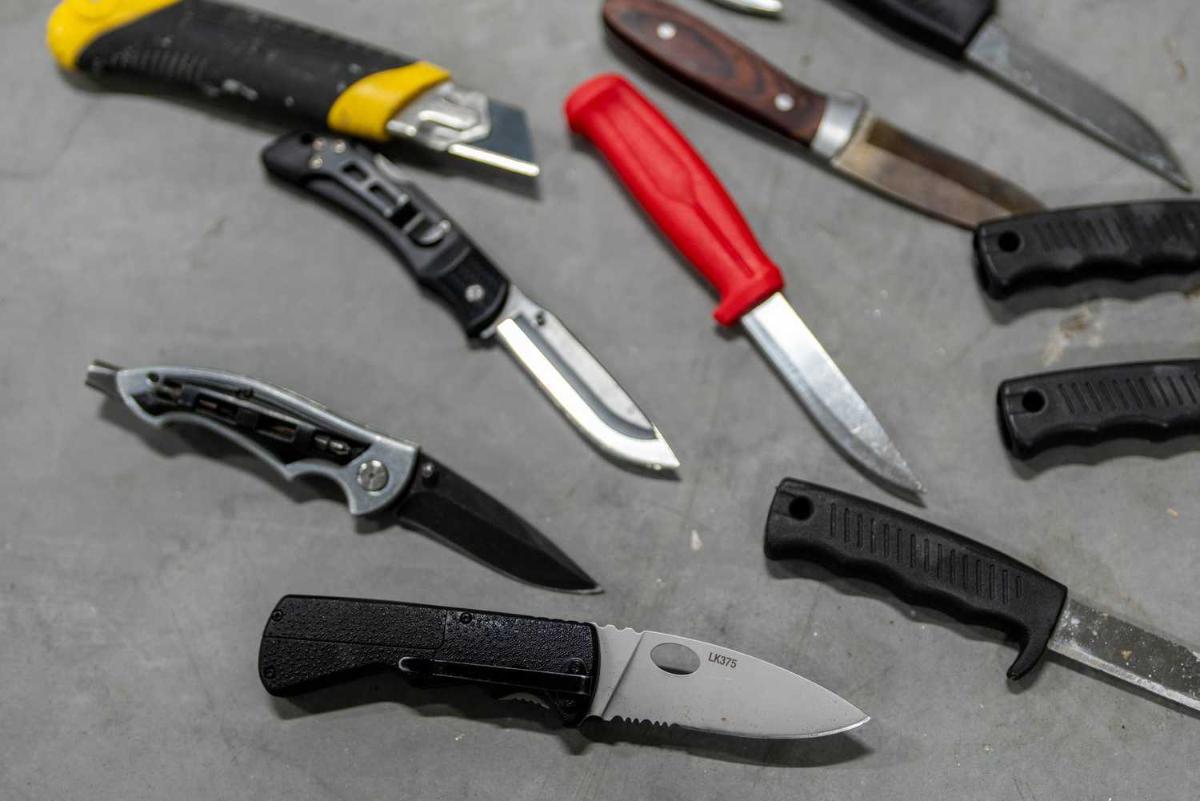
An amendment made to weapons offences laid down by the Criminal Code entered into force at the turn of the year. The amendment means that, for example, carrying an unauthorised firearm in a public place can meet the statutory definition of an aggravated firearms offence. The police will implement the amendment effectively through enforcement and investigation.
An amendment to weapons offences, in other words an amendment to chapter 41 of the Criminal Code, entered into force on 1 January 2026. The amendment aims to reduce weapons offences and offences committed using weapons.
The most visible changes resulting from the amendment are changes to the statutory definitions of offences and tougher punishments. For example, the most severe penalty for possession of a dangerous object is now two years imprisonment, whereas it was previously one year. Other changes to the penal scale have been made. Namely, the least severe punishment for aggravated firearms offences was increased from four months imprisonment to two years, which means that the prison sentence for such an offence is unconditional.
“The amendment made to weapons offences and especially the changes made to the penal scale seek to highlight the reprehensibility of these offences,” says National Police Commissioner Ilkka Koskimäki at the National Police Board.
“The legislative amendment seeks to seriously address the possession of unlawful firearms in public places. Such an offence may well meet the statutory definition of a firearms offence,” Koskimäki points out.
The amendment will also be reflected in so-called mass crimes. The police could earlier deal with possession, without an acceptable reason, of an object - such as a flick knife or sheath knife - or a substance capable of causing serious harm to another in a public place by issuing a fine. Now, however, the situation has changed, since the most severe punishment for such an offence is as much as one year of imprisonment. Therefore, it can no longer be processed through fine proceedings outside of a court of law.
“Such an offence will be investigated in a criminal investigation and pass to the prosecutor for consideration of charges. Society does not take this kind of criminality lightly,” says Chief Superintendent Konsta Arvelin at the National Police Board.
The police are ready to play their part in the effectively implementing the amendment made to weapons offences. In practice, this means various enforcement and investigation measures as well as the effective use of coercive measures.
“Effective enforcement of the law is important in terms of both general and specific deterrence. People need to understand that committing a crime is not worth it because they may get caught,” Arvelin says.